What Do Architects Do During the Design & Planning Stages?
Learn how architects guide projects from early client meetings and concept development to collaboration, timelines, approvals, and key client decisions.
Estimated Reading Time: 4-5 minutes
Welcome to the third blog in our series: What Do Architects Do During the Design & Planning Stages?
We caught up with Kristin Schreiner, Director of Design, to discuss the process clients can expect when they work with MSS, focusing on the early design phase and key areas of consideration.
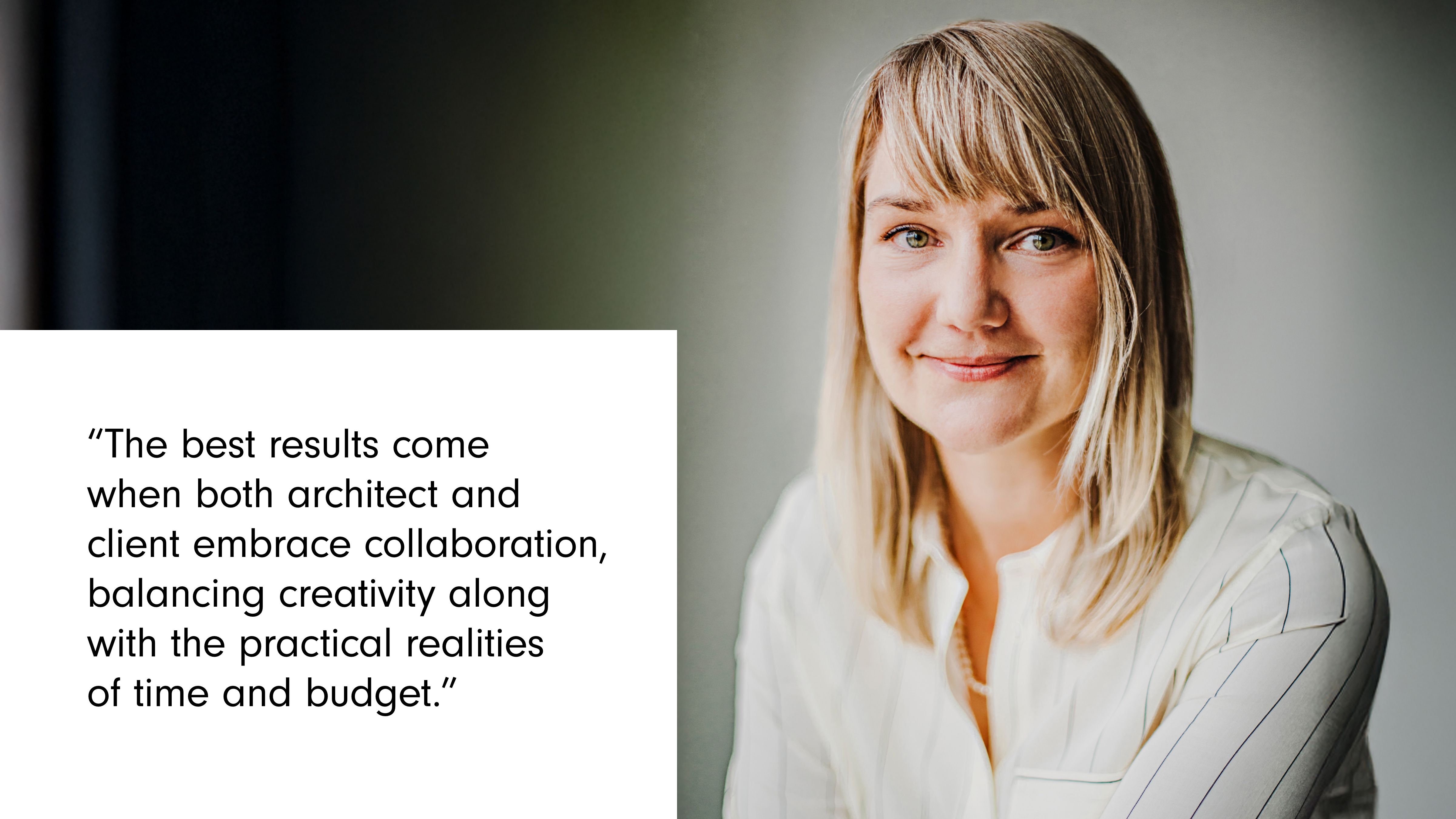
Introduction: I’m Kristin Schreiner, Director of Design at MSS. From the very beginning, our team works to understand our clients’ sites, goals, and what matters most to them. I stay involved through every phase to make sure each client’s vision and objectives stay at the heart of the project, from the first ideas to the final design.
Interviewer: How do you typically approach your first meeting with a client?
Kristin: Every client is unique. Some are new to working with an architect, others know exactly what they want. My goal is always to find that spark in the conversation that shapes the design. We start by asking questions, listening closely, and taking in every detail to understand your goals and vision. Sometimes that means exploring a site’s potential with ‘fit tests’; other times it’s about translating clear metrics, such as unit count, parking, or retail needs, into a design that works beautifully for you.
Interviewer: Why is your initial conversation such a critical part of the overall project success?
Kristin: The first conversation helps us uncover the core idea that will guide the entire design. In architecture, this is called the parti, a concept that serves as a touchstone throughout the project. Finding clarity isn’t about settling on the first idea; it often means challenging assumptions and exploring alternatives. This process ensures the design is thoughtful, flexible, and ultimately delivers a result that meets your goals.
Interviewer: During that first meeting, what do you find most valuable for clients to share to help guide the design process? And how important is it to understand the decision-making structure early on?
Kristin: We encourage clients to bring as much information as they can, including:
- Site details – lot shape, size, access points, or unique features
- Project goals – sustainability ambitions, neighborhood connections, desired building yield, or inspiration imagery
- Project documents – site surveys, zoning information, or any relevant files

In these early meetings, we try to act like a sponge, taking in every detail you share to help us create a solution that fits best.
Understanding the client-side decision process early is essential. We help build consensus so that, whether it’s a family home or a larger development, all stakeholder priorities are thoughtfully balanced.
Interviewer: What should clients consider ahead of time?
Kristin: Having a budget range helps us shape the scope, scale, and potential solutions we can explore. It’s not about spending every dollar, but about creating solutions that match your goals. For example, an affordable housing project calls for an efficient, streamlined approach, while certain private projects, like a garage for collectible vehicles, require a highly customized approach.
Clients should also consider their desired construction timeline, as it helps us plan the design process and secure city approvals in time, working backward from the target start date.
Interviewer: Are there specific questions that help spark the right design conversations?
Kristin: I like to start with open-ended questions, for example “How would you describe your ideal day at home?” to understand how clients live and enjoy their home. My focus is on how spaces work together, flow naturally, and connect indoors to outdoors, with style or décor coming later.
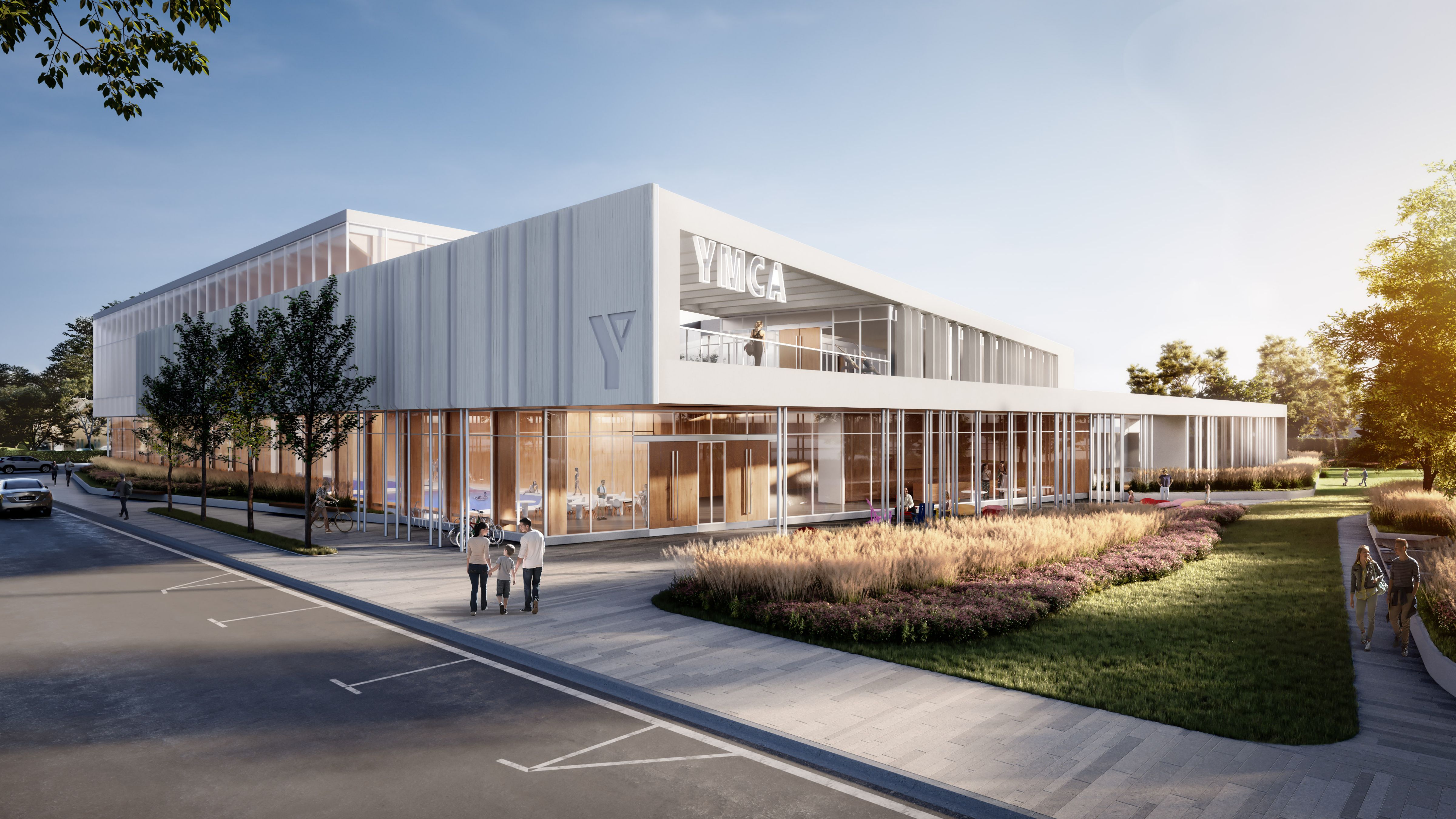
For public projects, the questions are more technical. We ask about capacity, purpose, and peak attendance to help size rooms and sequence spaces. Part of my job is figuring out when standard design approaches make sense and when they should be challenged. Take the YMCA of Simcoe/Muskoka in Barrie, for instance, where we combined a gym, pool, and fitness centre with new elements like a hub for seniors and youth, childcare, and housing for youth at risk. An open and collaborative approach was key to creating a layout and flow that serves all these needs.
Interviewer: What should clients know about the evolution of design—from initial sketches to fully realized builds?
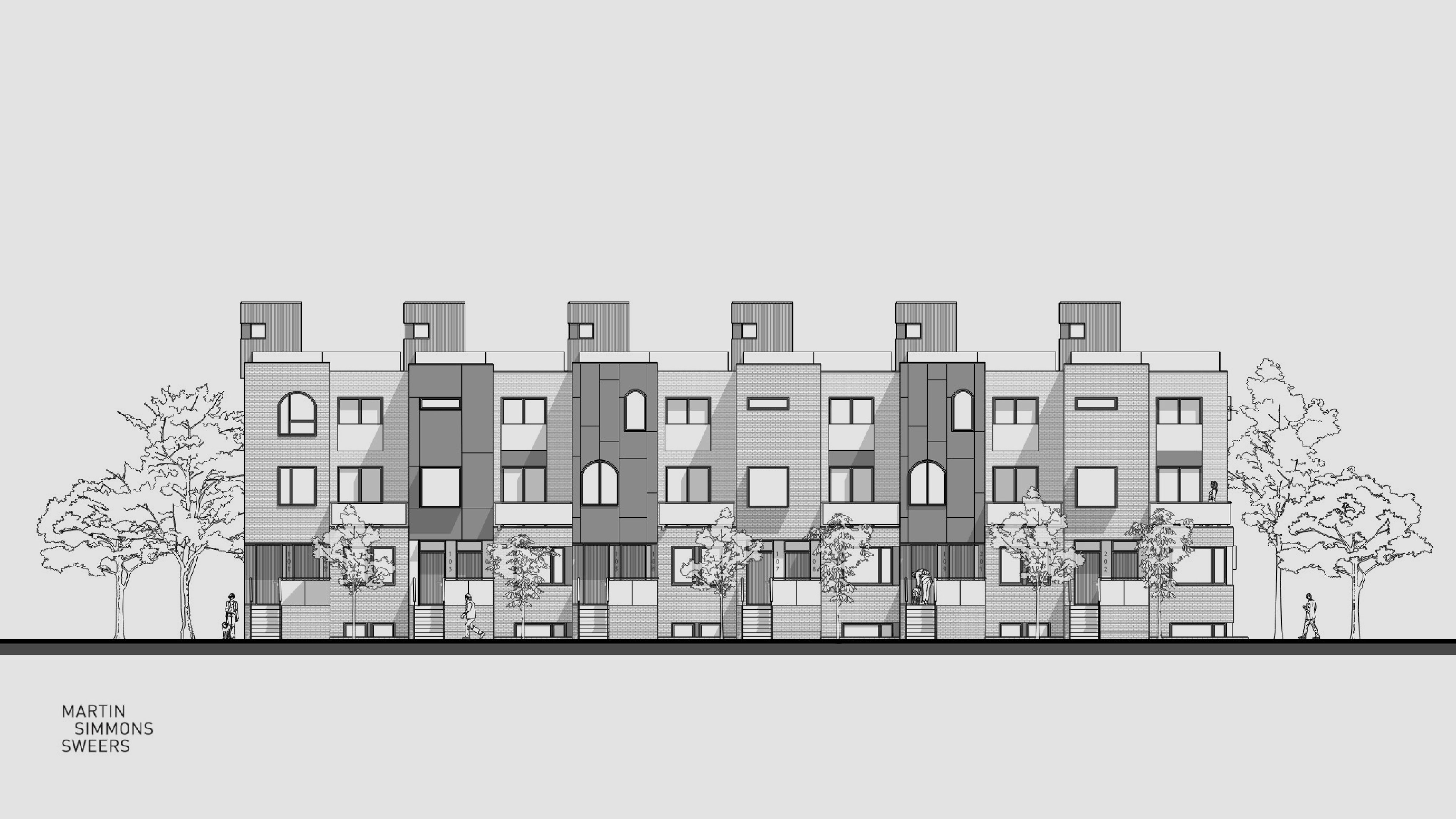
Kristin: Early in the process, it’s best not to get caught up in small details. Design works best when it moves from broad ideas to specifics, adding complexity step by step. We start with sketches that explore massing, form, and how the building fits on its site, then move into circulation, floor plans, and the layout of individual spaces. After that, we consider details like lighting, orientation, materials, and finally practical elements such as wall assemblies. Building the design this way keeps it cohesive, so the project feels thoughtful rather than chaotic, and so we don’t end up with something mundane or ad hoc having a huge impact on how the whole building performs.
Interviewer: How does collaboration between client and architect shape the design process?
Kristin: Design is always a work in progress, and early options are about creating a framework for dialogue. Sometimes our work involves reconciling client goals that may conflict; we can help set priorities so that the design moves forward in a clear direction.
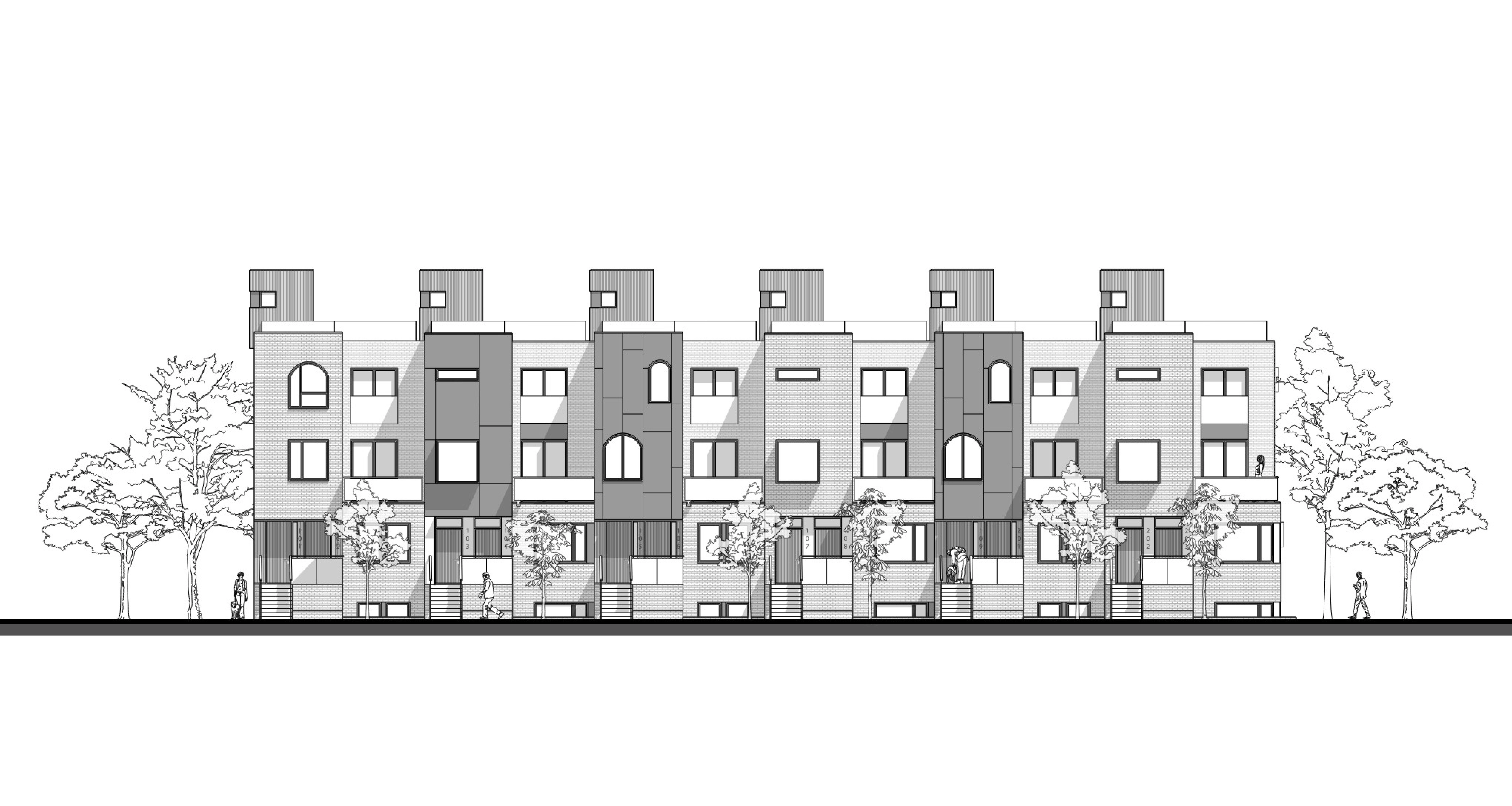
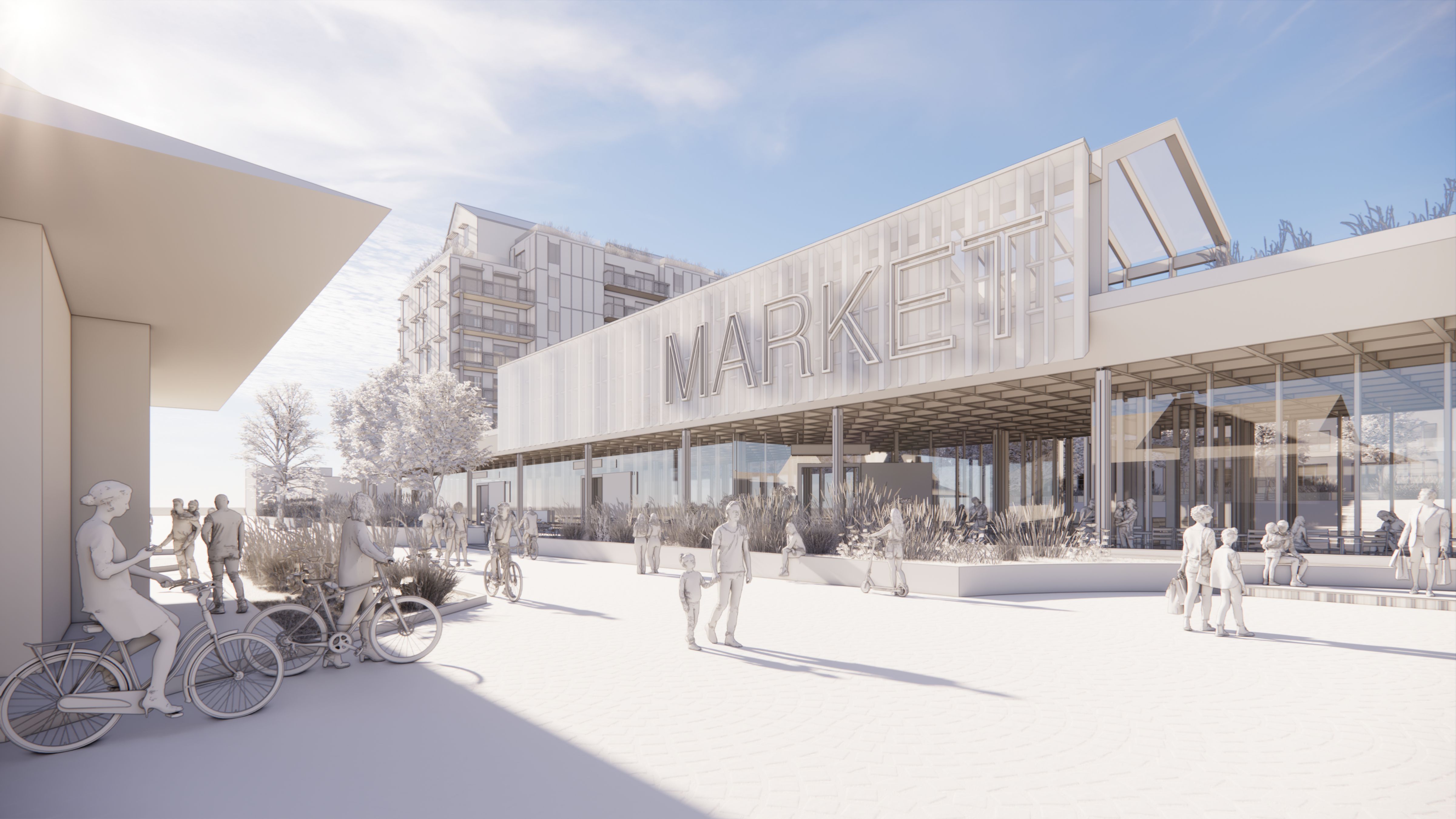
The best results come when both architect and client embrace collaboration, balancing creativity along with the practical realities of time and budget. Good communication is vital, as this allows us to clarify and evolve ideas. We recently had a multi-residential project in Tillsonburg that required housing for hundreds of units in a small town known more for its quilts, barns, and fields rather than tall buildings. Balancing the rural character with this new urban scale was an exciting challenge, and exploring that required openness from the client and a willingness to take creative risks.
Interviewer: Why does taking time to plan at the start ultimately save time and money later?
Kristin: Careful design and planning upfront minimizes costly redesigns later and can help keep the project moving smoothly into engineering. Making key decisions early, such as choosing a structural system or even selecting a general contractor, can help us align initial sketches with your design and budget goals.
Interviewer: What are some common misconceptions clients have about project timelines and approvals?
Kristin: Clients are often surprised by how long approvals can take. Authorities are often dealing with large backlogs for their reviews, so it is not the design process itself that takes long but rather the approvals. And what used to be a single-page site plan is now a complex package of drawings, studies, and reports that can take months to review. Surveys, boreholes, traffic studies, and asks like minor variances can extend the timeline. Our role is to work with planners, anticipate challenges, and respond quickly with design revisions to keep things moving!
Interviewer: How does MSS help clients navigate the complexity of early project stages?
Kristin: The best way to navigate a project is step by step, without overwhelming clients with too much information at once. After our initial concepts, bringing together a strong, coordinated team makes all the difference. When the architect, planner, engineers, and builder have worked together before, trust and momentum are already in place, helping the project run smoothly. Even new teams can achieve great results with clear communication and collaboration. Clients often value having MSS as a single point of contact, which keeps the process clear and manageable. This allows them to focus on what matters most, while we handle the design details and daily challenges, keeping everything running smoothly and worry-free.
Have more thoughts or questions? Connect with Kristin Schreiner to continue the conversation.
Stay Tuned for Blog 4: What Do Architects Do When Collaborating with Other Professionals?
In the next installment of our series, we’ll chat with Haley Gamble about the collaborative role architects play with engineers, interior designers, landscape architects, and other consultants to bring a project to life.
To explore the first two posts in our six-part educational series “What Do Architects Do” follow the links below:
Blog 1: What Architects Do & Why You Need One.
Blog 2: What Do Architects Do When They Work With Interior Designers?
*The information provided in this series is for educational purposes only and is not intended as professional advice. For guidance specific to your project, please consult a licensed architect or other qualified professional.
Want to be the first to know about new blog articles? Follow us on LinkedIn.