What Do Architects Do When They Work with Interior Designers?
Architects and interior designers create stronger, more cohesive spaces together. Learn how early collaboration improves function, aesthetics, and project outcomes.
Estimated Reading Time: 10 minutes
Welcome to the second blog in our series, What Do Architects Do When They Work with Interior Designers.
We sat down with Senior Designer, Kourtney Rapp, for a chat about the roles of architects and interior designers, how they complement each other, and why involving both may be essential for a successful project.
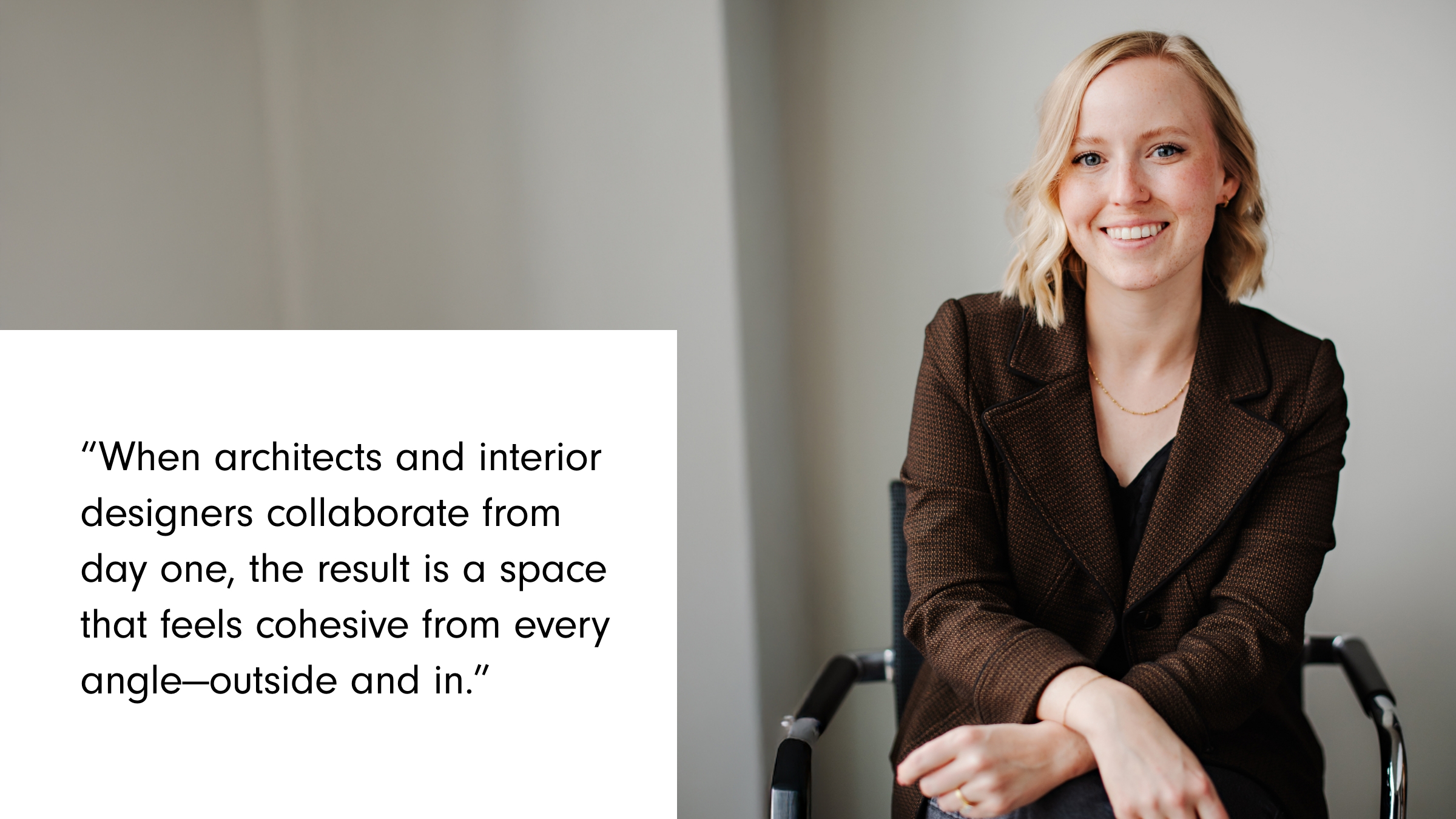
Introduction: I’m Kourtney Rapp, Senior Interior Designer at Martin Simmons Sweers Architects. I lead the interior design direction for a range of projects—from corporate offices to hospitality spaces and beyond. My role involves working closely with both clients and the architectural team to ensure the interior spaces are not only functional and code-compliant, but also thoughtfully tailored to reflect the client’s identity and values. Whether it's space planning, selecting materials and finishes, or guiding custom millwork designs, my goal is always to enhance how people experience a space from the inside out.
Interviewer: How would you describe the difference between what architects and interior designers do?
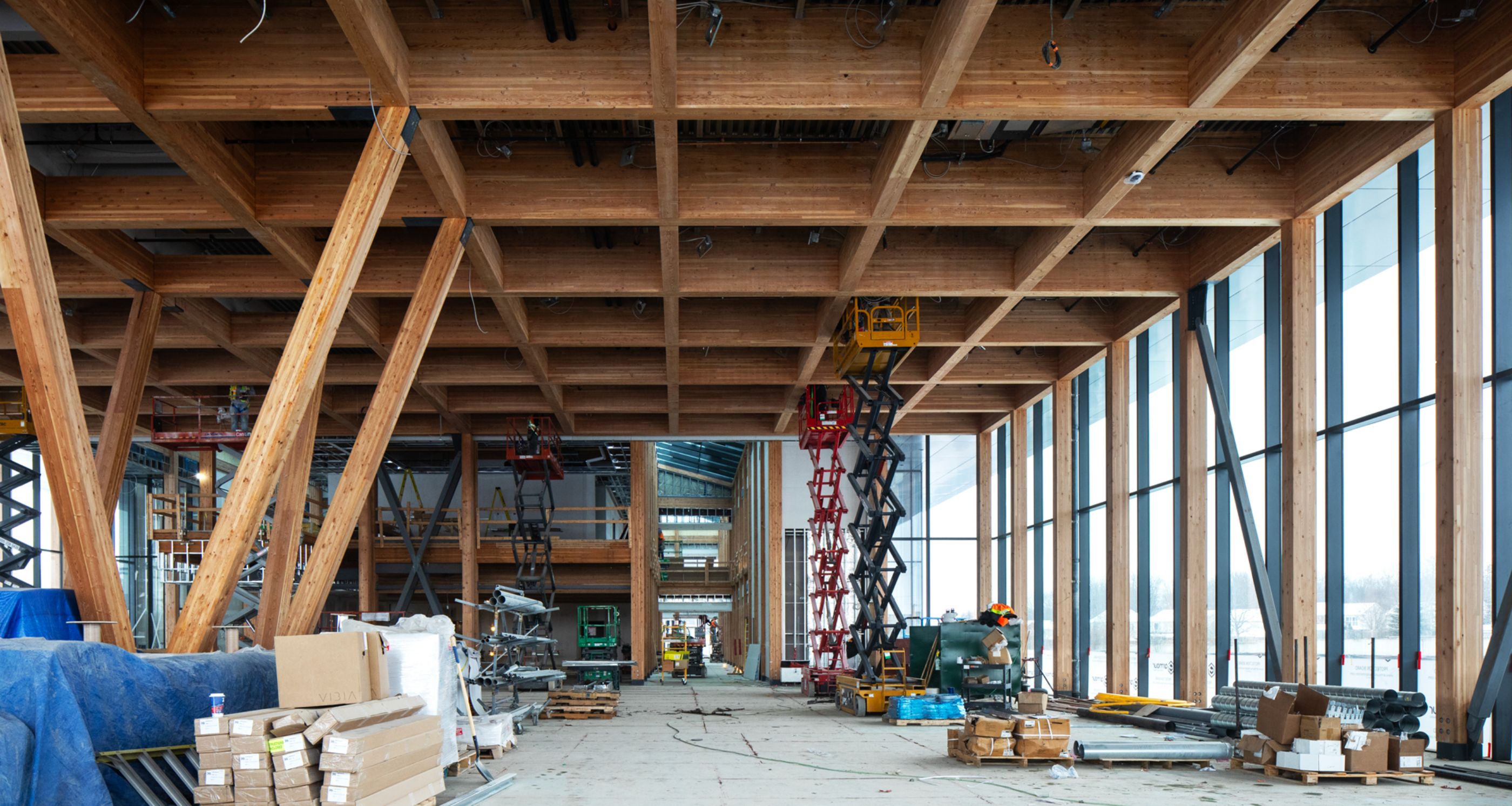
Kourtney: Architects and interior designers both shape the built environment, but we tend to focus on different layers. Architects are responsible for the overall form and structure of the building—how it sits on the site, its circulation, envelope, and code compliance at a macro level. Interior designers focus on the micro details: the human experience of the spaces inside and how people interact with them daily, the mood they create, and the details that bring comfort, identity, and usability.
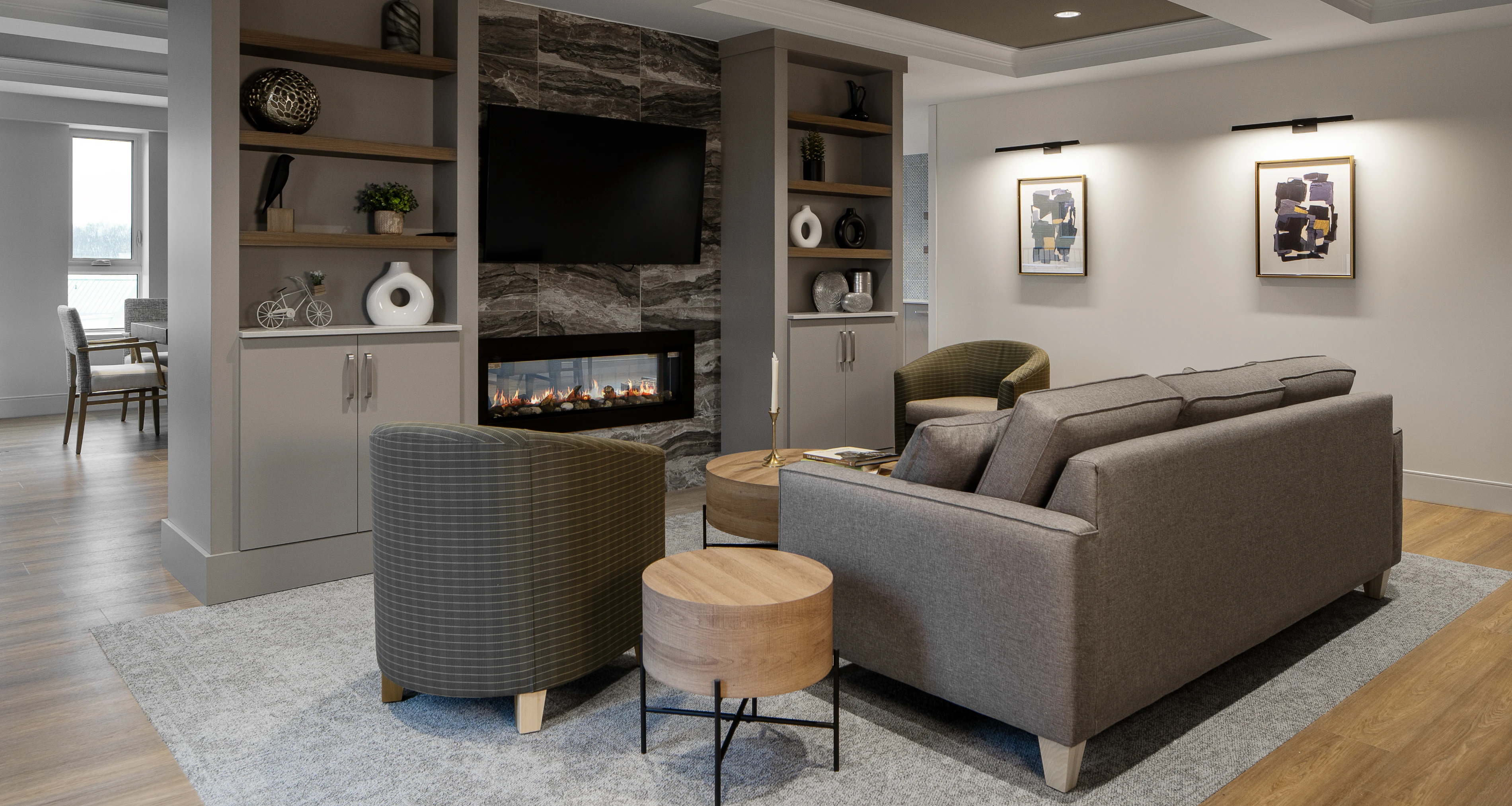
Interior design goes beyond finishes and furnishings to incorporate architectural intent into spaces that truly work for the people who use them. We map out how each zone of a space will function. Using techniques like programming and spatial analysis, we determine where walls, pathways, and furniture will go to optimize the experience. For example, we might look at the floor plan of a hotel from a wayfinding point of view and recommend moving a structural wall to improve the overall lobby experience.
We thoughtfully plan how ceiling and lighting systems interact with natural daylight and the way each space will be used. Our team develops detailed finish and material palettes that prioritize durability, atmosphere, and adaptability over time. Additional aspects of our work include preparing comprehensive furniture and fixture schedules, detailed millwork drawings, and signage strategies. We also produce full construction documentation and oversee implementation to ensure every element functions and feels as intended.
Interviewer: Where do your roles naturally overlap on a project?
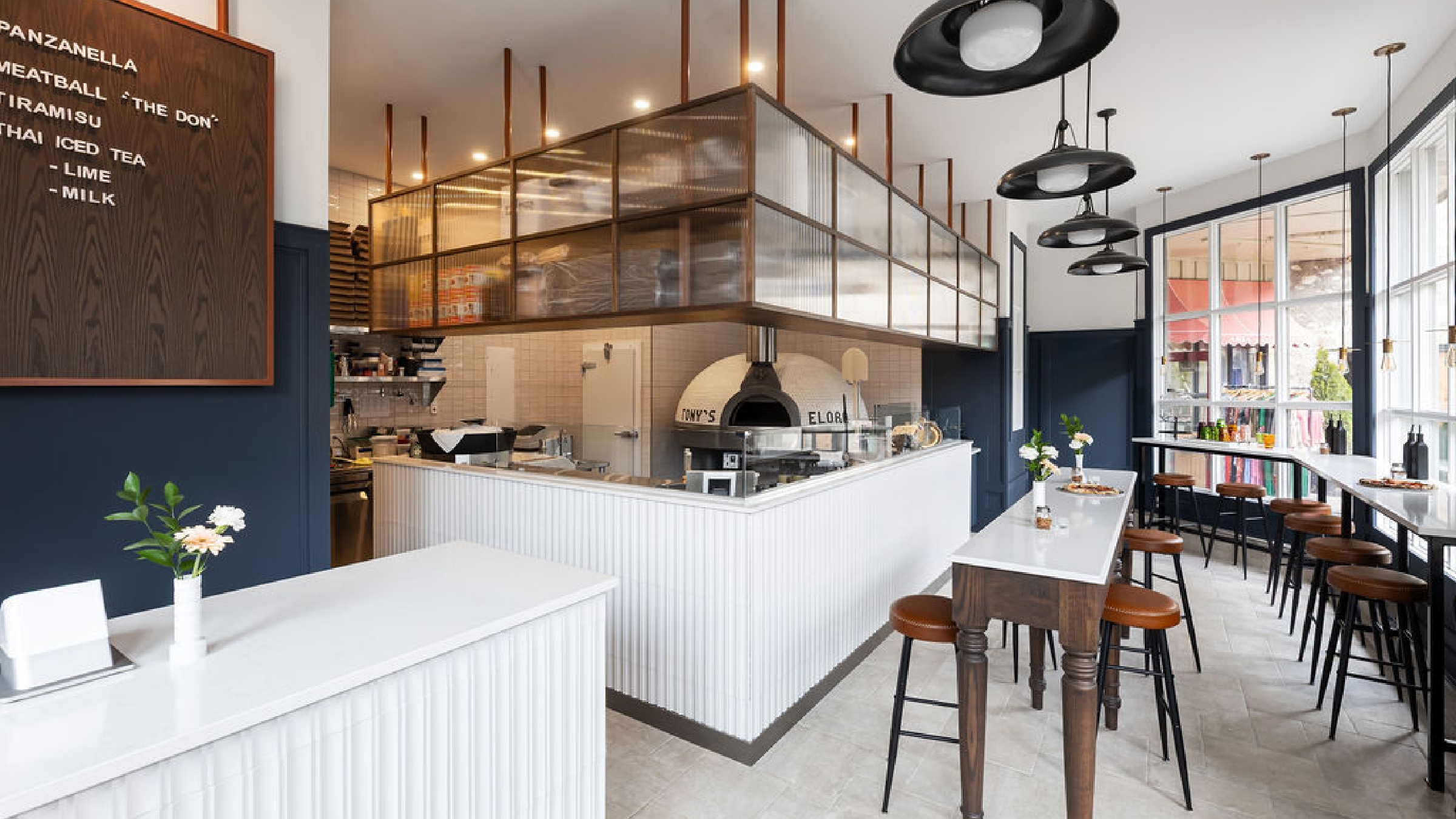
Kourtney: There’s a lot of overlap—and that’s where the magic happens. We’re both thinking about flow, light, proportion, experience, accessibility, and Ontario Building Code requirements. For me, that collaboration is one of the most rewarding parts of working in an integrated practice at MSS. Together, we develop solutions that honour the architectural intent while elevating the experience through thoughtful design. For example, on a current heritage project featuring exposed limestone, we worked closely to integrate cove lighting that accentuates the stone’s texture, bringing warmth and making the wall feel both intentional and inviting.
Interviewer: How do clients determine if they need an architect AND an interior designer?
Kourtney: At MSS, we see architecture and interior design as two sides of the same coin. Clients often benefit from both when they want their space to function as beautifully as it looks. If your project involves creating a new space or rethinking how spaces are organized, such as how light moves through them, how materials, acoustics, or furnishings support comfort and productivity, or how the environment reflects your brand or culture, then you’ll want an interior designer on your team.
I think there's a misconception about the depth and complexity that interior designers bring to the table. Interior designers focus on finer details that shape how someone’s going to use a space from the ground up. It’s our job to guide clients through every decision and manage the finer points so they don’t have to.
This level of detail is especially evident in furniture selection, which carries multiple layers of decisions, timelines, and logistical details that can easily overwhelm someone unfamiliar with the process. For example, choosing the right desk chair involves balancing ergonomics, aesthetics, and budget, while selecting workstations requires navigating countless options for layouts, features, and configurations. We coordinate all of this, drawing on our experience with trusted vendors and proven standards. We also review finishes and fabrics for durability and comfort, confirm dimensions to ensure pieces fit seamlessly within the space, manage delivery and installation schedules, and troubleshoot issues that arise along the way. Our role is to anticipate these complexities, simplify the decision-making process, and give clients confidence that every detail has been thoughtfully considered.
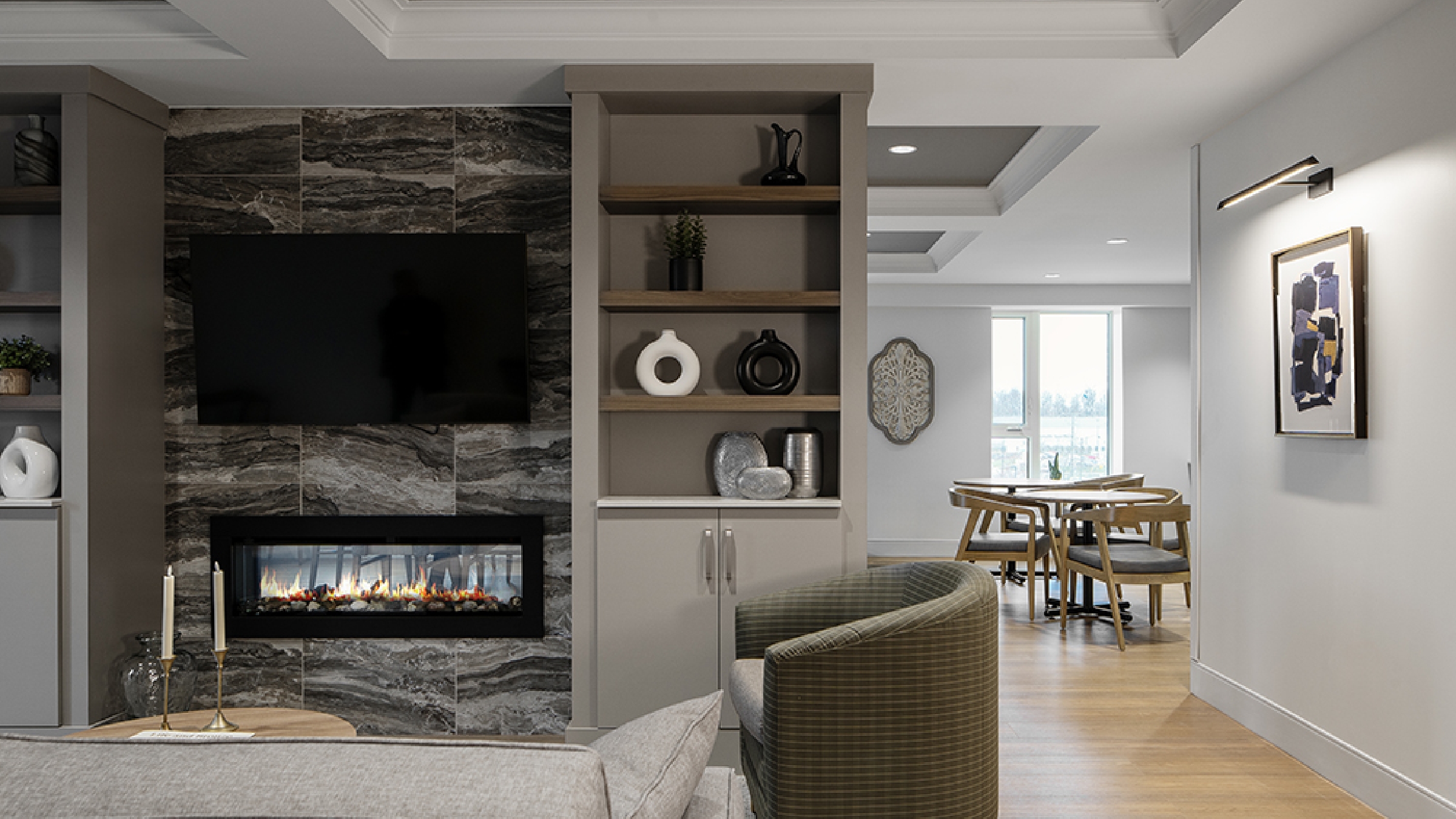
People assume that bringing on an interior designer will make a project more expensive, but that’s not often the case. We work closely with our vendors to create a flexible mix, combining investment pieces with more cost-effective options to deliver a high-quality result that stays within budget.
It’s about taking a balanced approach that aligns with the client’s goals and ensures all the pieces fit together seamlessly. By letting us handle the process—shopping around, gathering bids, and securing competitive pricing—clients are often pleasantly surprised by the quality and value they can achieve.
Interviewer: At what point in the design or construction process should clients bring in an interior designer? What risks do they run if they wait too long?
Kourtney: A good time to bring in an interior designer is as soon as you’re drawing up schematic designs for a building. The earlier we're involved, the more impact we can have. I always say it’s never too early to start thinking about interiors—even at the conceptual phase—because decisions made at that stage affect everything from the placement of windows and lighting to how rooms are sized and organized. Working together, our architects and interior designers ensure continuity between the building’s form and its function—so that every detail, from layout to lighting, works seamlessly together.
If you wait too long, you risk running into missed opportunities or making compromises—like having to make interior layouts work around something that’s already been built, or realizing too late that you need more lighting, storage, or flexibility than was originally planned. Early collaboration can help avoid those kinds of challenges and budgetary surprises.
Some real estate brokers are taking a proactive approach by bringing interior designers into the conversation early—often before a lease is finalized. This collaboration helps test-fit layouts, explore how different departments or amenities will function, and ensure the space supports the client’s day-to-day operations. When an interior designer is part of that process, potential issues like workstation sizing, circulation, or accessibility can be addressed before a client signs a lease. The result benefits everyone: the client gains expert guidance and a clearer understanding of how the space will perform, and the broker strengthens their offering with a plan that works both aesthetically and functionally.
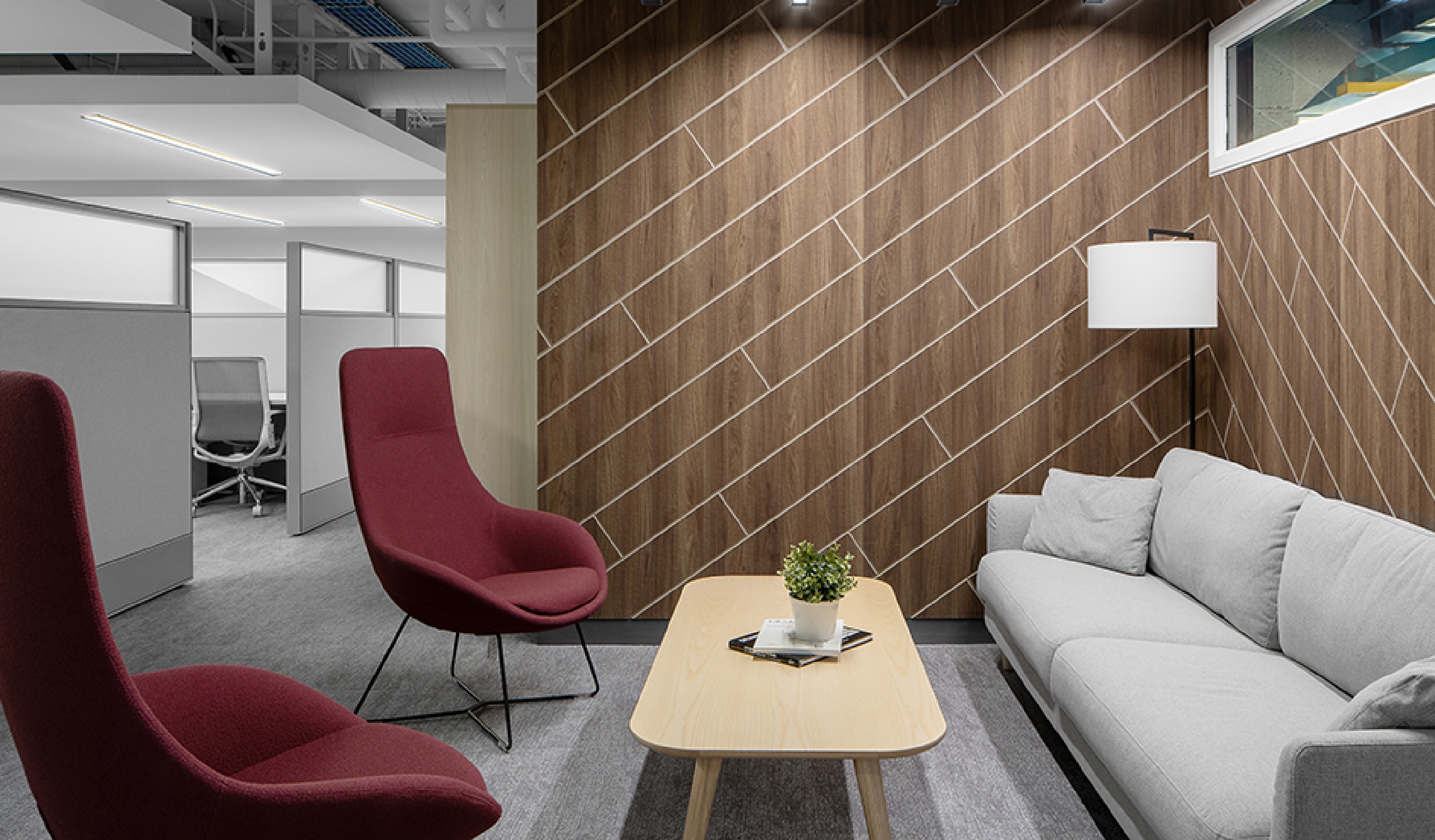
Interviewer: How does a client benefit from having both on a project? Can you share a specific MSS project where the combined work of architects and interior designers led to a better outcome—for the client and for the people who use the space every day?
Kourtney: When architects and interior designers collaborate from day one, the result is a space that feels cohesive from every angle—outside and in. Clients benefit from a seamless holistic process, better coordination, and fewer unexpected issues during construction.
One recent project that stands out is the heritage project I referred to earlier. The architectural team established a strong, rational structure, and we’ve been able to layer in warmth and user-focused detail through the interiors—custom millwork, intuitive wayfinding, lighting strategies, and furnishings that support different ways of working or gathering. The end result is going to be a space that not only performs well but genuinely feels good to be in.
Interviewer: What are some situations or questions that indicate a client could benefit from involving an interior designer—even if they think they can “handle the décor themselves?”
Kourtney: I totally understand when clients feel like they can handle the décor on their own—but interior design is about a lot more than picking paint colours or throw pillows. It’s about how a space functions, how it flows, and how it supports the people using it. This holistic perspective allows us to identify features or even pieces—like an existing well-crafted credenza or favourite chair—that should be kept, not only for its aesthetic value but also from a sustainability standpoint.
It's smart to bring in a professional who can help even the smallest spaces feel intentional. If you’re asking questions like “Will this space meet our future needs?” or “How do we make this environment welcoming, inspiring, or aligned with our brand?”—then you’d benefit from an interior designer’s perspective. I’ve also seen clients become overwhelmed by the sheer number of decisions involved, or realize too late that the elements they’ve chosen don’t quite work together as a cohesive whole. Bringing in a designer early can actually simplify the process and help avoid those headaches.
Interviewer: How does having interior design services integrated in-house at MSS change the experience for clients compared to hiring outside consultants?
Kourtney: Having interior design in-house at MSS makes the entire process more seamless—for both the team and the client. We’re constantly collaborating and checking in with each other, which means fewer communication gaps, quicker turnaround times, greater flexibility, and a more unified design vision.
For the client, it means fewer silos and fewer consultants to manage. They can trust that everyone on the team is aligned and working toward the same goals. It also gives us more opportunities to creatively solve problems, because we’re right there at the same table from day one. In the end, I think it leads to stronger, more intentional and successful spaces—and a much smoother experience overall.
Have more questions or thoughts? Connect with Kourtney Rapp to continue the conversation.
Up Next — Blog 3: What Do Architects Do During the Design & Planning Stages?
In the next installment of our series, we’ll chat with Kristin Schreiner, Senior Director at MSS, about the process clients can expect, including the design phases and areas of consideration when working with MSS.
Read our introduction to the series, Blog 1: What Do Architects Do & Why You Need One.
*The information provided in this series is for educational purposes only and is not intended as professional advice. For guidance specific to your project, please consult a licensed architect or other qualified professional.
Want to be the first to know about new blog articles? Follow us on LinkedIn or Instagram.